
LEAP India IPO: The Wooden Board Monopoly
LEAP India Limited controls 90% of India’s pallet-pooling market and is raising ₹2,480 Cr to keep the boxes moving.

The following article is for educational purposes ONLY. Each and every piece of information used henceforth in this article is sourced from the RHP.

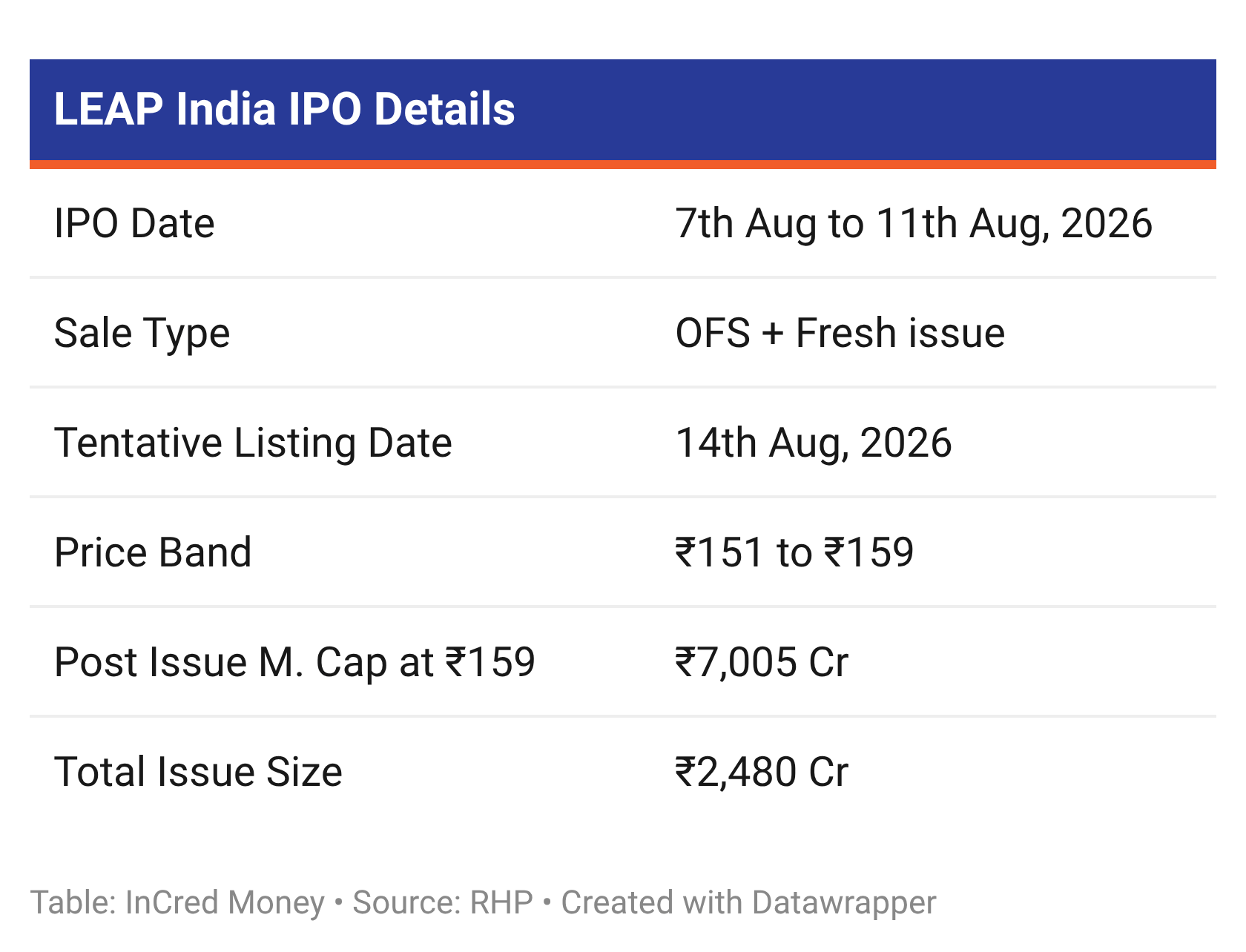
LEAP India Limited, is filing a ₹2,480 Cr IPO on August 7, 2026. LEAP runs its entire pan-India network from just 29 warehouses, and it controls 90% of India’s pallet-pooling market by fleet size.
IPO Summary
Join the InCred Money Insights WhatsApp channel for daily updates on domestic & global markets and latest IPO insights.
The Big Picture
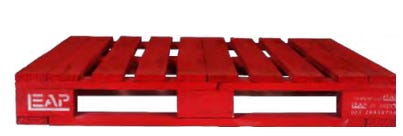
Pallets are flat transport structures that support goods in a stable manner during handling by forklifts, pallet jacks, or conveyors.
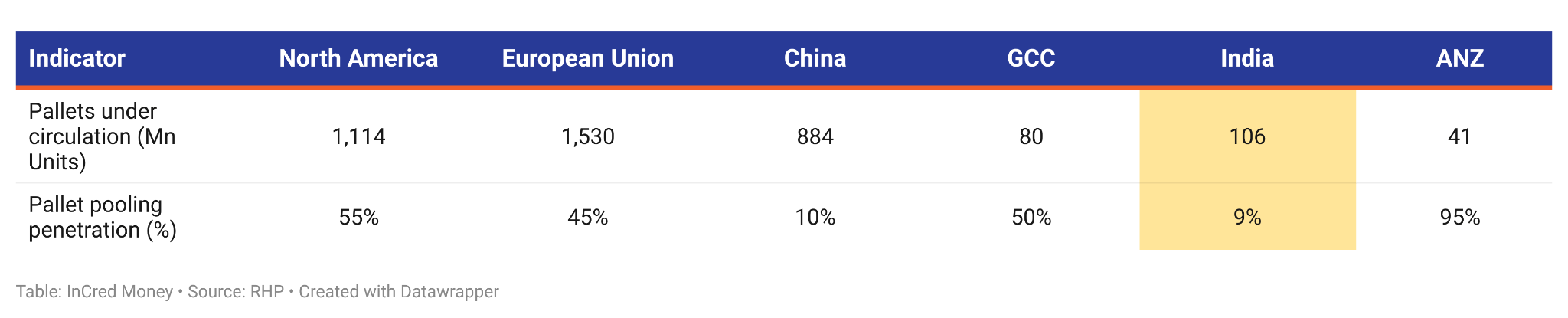
India’s pallet pooling market is still young. Pooled pallets made up 9.4% of India’s total pallet stock in FY26, against an adoption of 89% in North America, 91% in the European Union and 94% in Australia and New Zealand.
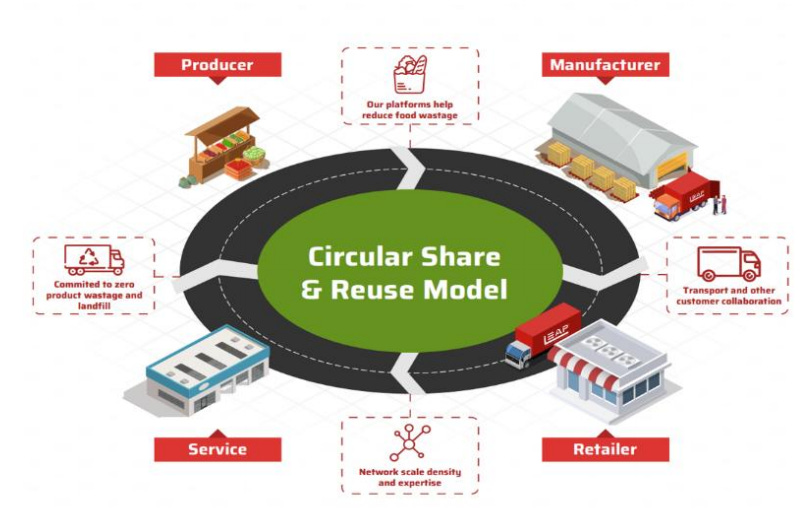
In this context, pooling refers to a “share and reuse” circular business model (similar to a shared economy model) where companies rent supply chain assets such as pallets, containers, and material handling equipment (MHE).
LEAP India Limited operates within this market as the country’s largest on-demand asset pooling provider by number of pooled assets.
For ABCs on all upcoming IPOs, subscribe to IPOs with InCred Money
Continue reading!
Business Model Explained
LEAP holds 90% of the market share in India’s pallet pooling business with the country’s largest pallet fleet.
LEAP runs a ‘share and reuse’ pooling model. Instead of selling pallets, containers and material handling equipment (MHE) outright, it rents these assets to customers and takes them back for repair, refurbishment and redeployment.
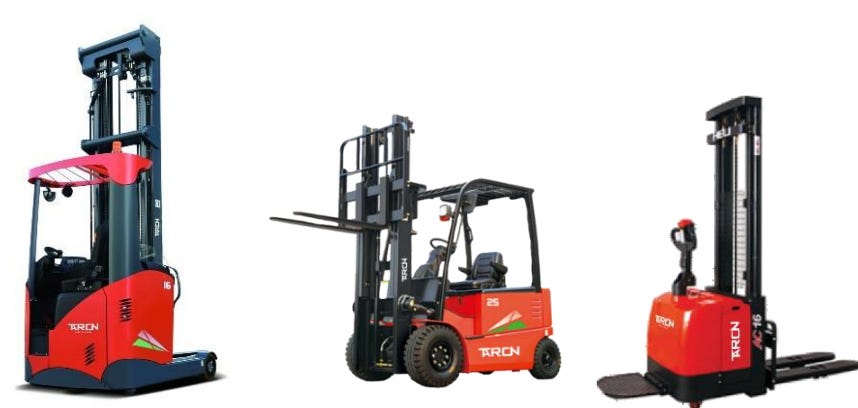
Its subsidiary TARON was the second-largest forklift pooling player in India by volume in FY26 and is described as the leader in lithium-ion MHE, having introduced these solutions to the Indian market first.
LEAP served more than 1,000 customers across a diverse end user customer base including Hindustan Coca-Cola Beverages, Marico, Toll (India) Logistics etc of March 31, 2026.
Unit Economics
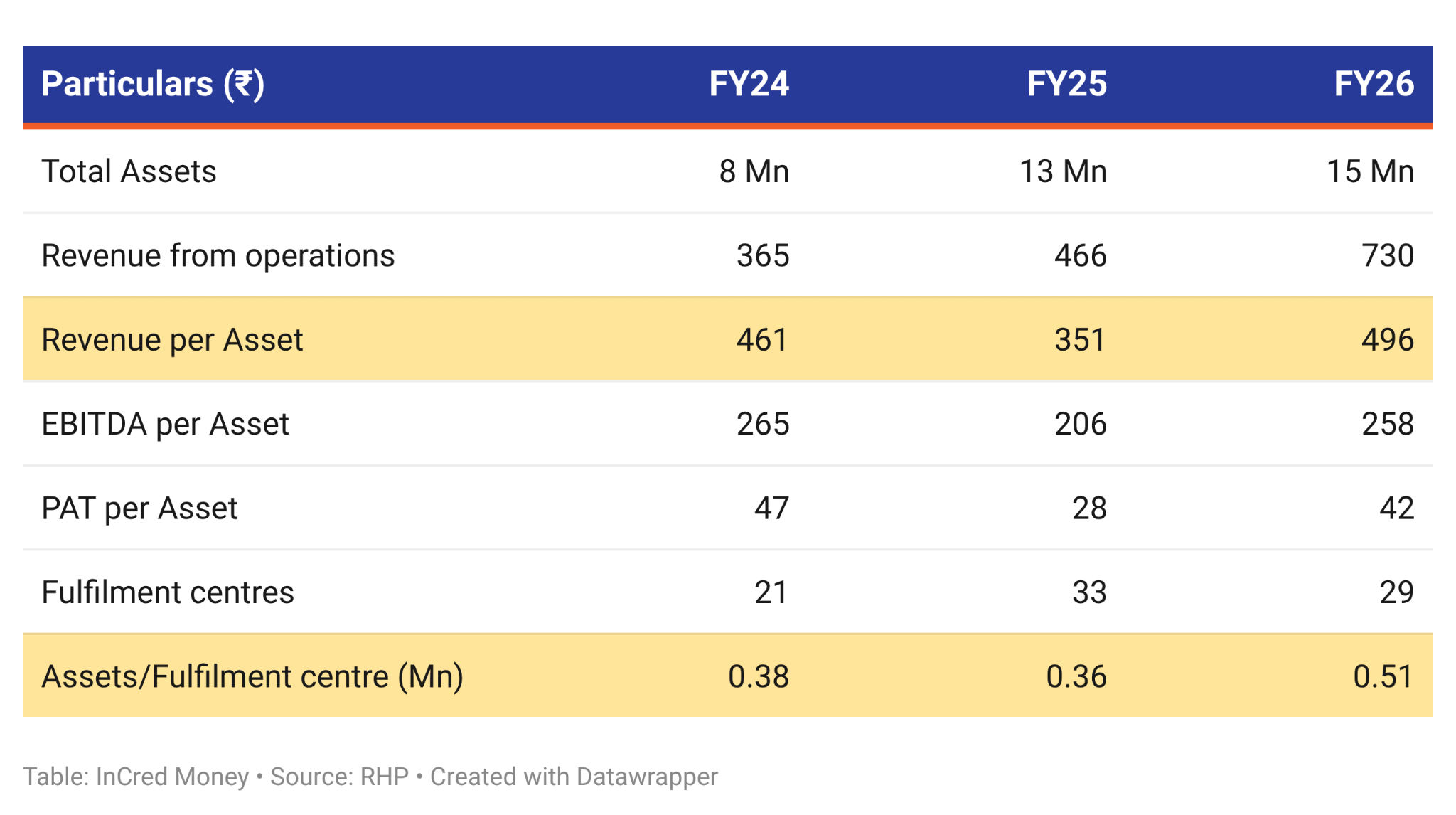
*Mn = Million
Revenue and EBITDA per asset both dipped in FY25 and recovered in FY26.
This follows the CHEP India acquisition completed in January 2025, which added assets to the books faster than it added revenue within that year.
Fulfilment centre consolidation, from 33 centres in FY25 to 29 in FY26, alongside continued asset growth, pushed assets served per centre up from 0.4 million to 0.5 million, pointing to network efficiency gains after the acquisition.
The Financial Stuff: Revenue to PAT
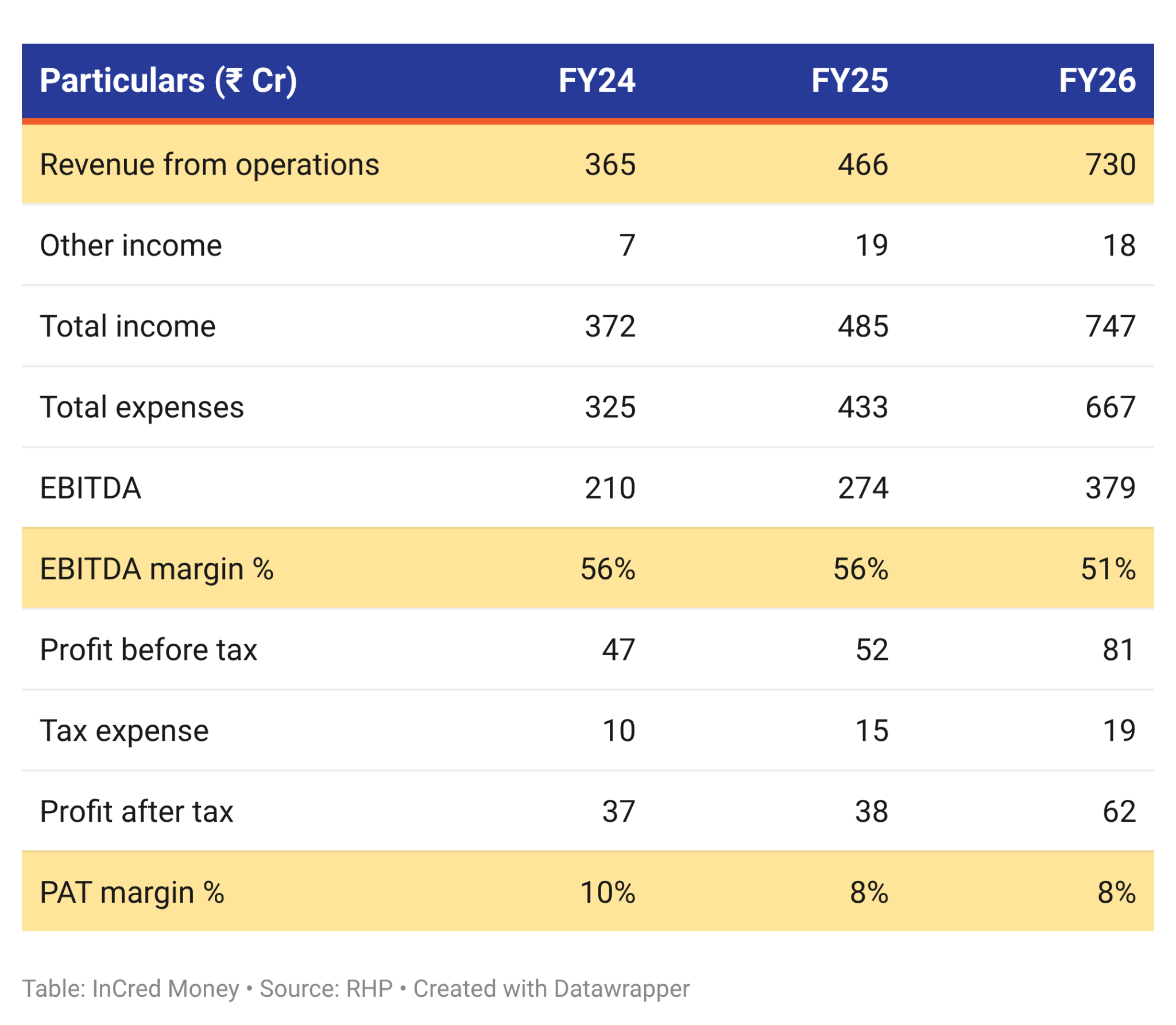
Revenue from operations rose 56% from ₹466 Cr in FY25 to ₹730 Cr in FY26, aided by the CHEP India integration.
EBITDA margin, however, fell from 56% in FY25 to 51% in FY26 even as EBITDA itself grew, because depreciation and finance costs both rose faster than revenue on a larger, more leveraged asset base following the acquisition.
Operating Metrics
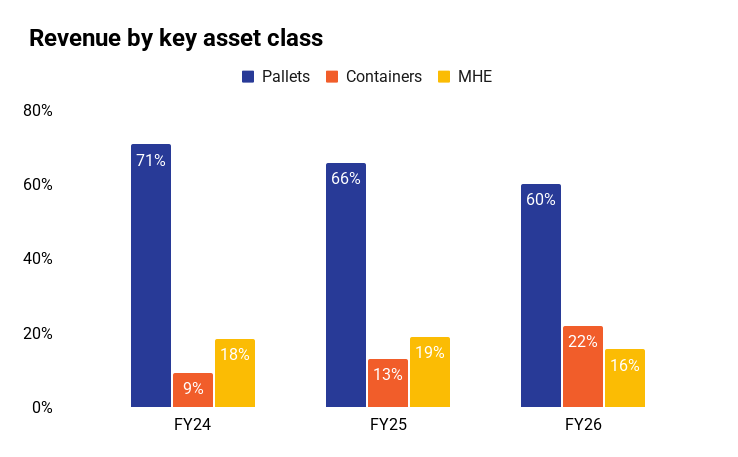
Revenue by asset class: While core wooden pallets remain LEAP’s primary revenue engine, their share has steadily declined from 71% to 60% as the company successfully diversifies its asset portfolio.
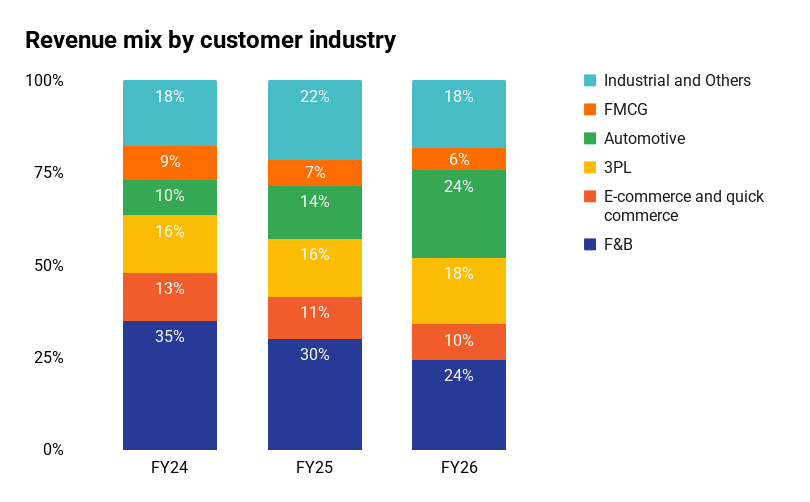
Revenue Mix by Customer Industry: Food and Beverage’s (F&B) share of revenue from operations nearly halved, from 35% in FY24 to 24% in FY26, while automotive more than doubled, from 10% to 24%. The mix has diversified from the early F&B concentration toward automotive and logistics customers.
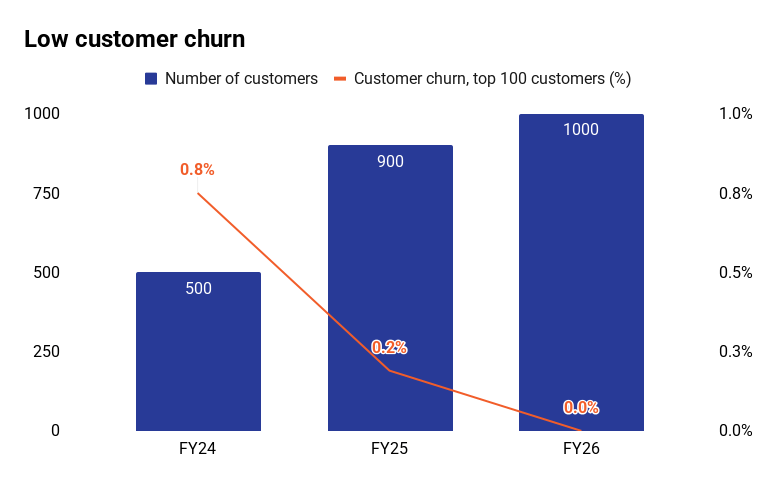
Customer Base and Retention: Churn among the top 100 customers fell to 0.00% in FY26 from 0.75% in FY24, even as the overall customer base nearly doubled.
Peer comparison
The RHP states plainly that there are no listed comparable companies in India in terms of business and scale of operations.
Key Risks
1. Concentration in pallets
Pallets contributed 60% of revenue from operations in FY26, down from 71% in FY24 as the container and MHE businesses have scaled, but still the majority.
2. Raw material and currency exposure
Suppliers source timber mainly from Europe and Oceania, and the RHP discloses past cost increases from events such as COVID-19-era disruption, Red Sea shipping route disruption in FY24, and the Iran-US/Israel conflict’s effect on polymer prices.
Summary
LEAP enters the market as India’s dominant pallet-pooling operator, a position no domestic peer currently matches.
Growth has been strong, but margins have softened as the CHEP India integration added depreciation and finance costs faster than revenue.
Investors should weigh LEAP’s scale and market leadership against its concentration in a single product category, a narrow supplier base, and exposure to imported raw materials and currency movements.
Disclaimer
This content is based on publicly available information contained in the Red Herring Prospectus (RHP) and is intended solely for educational and informational purposes. It should not be construed as investment advice, recommendation or solicitation to invest.
Any video/image/text content is for educational and informational purposes only and does not constitute financial advice. Please do your own research or consult a qualified financial advisor before making any investment or trading decisions. Trading in stock markets involves the risk of loss.
Investments in the securities market are subject to market risks, read all the related documents carefully before investing. Brokerage will not exceed the SEBI prescribed limit.
InCred Money Broking Limited: NSE Member Code 09073, BSE Member Code 6329, MCX Member Code: 55215 , NCDEX Member Code : 1233 NSDL : IN-DP-474-2020 . SEBI Registration No. NZ000164738
Compliance Officer: NSE,BSE,MCX,NCDEX,NSDL : Mr RK Jain,011-40409999 support@stocko.in
Registered Office:- 3rd Floor, Building No.5, Local Shopping Complex, Rishabh Vihar, Near Karkarduma Metro Station. East Delhi – 110092
Source: Red Herring Prospectus (RHP) of LEAP India Limited